


Hey there! As a kebab slicer supplier, I've got a ton of knowledge about what these nifty machines are made of. So, let's dive right in and explore the materials that go into making a top - notch kebab slicer.
Stainless Steel: The Heavy - Hitter
One of the most common materials you'll find in kebab slicers is stainless steel. And for good reason! Stainless steel is tough as nails. It can withstand the daily wear and tear that comes with slicing through large chunks of meat day in and day out.
It's also highly resistant to corrosion. In a kebab shop, there's a lot of moisture in the air from the cooking process, and meat juices can get everywhere. Stainless steel won't rust or deteriorate easily, which means your kebab slicer will have a long lifespan.
The blades of many kebab slicers are made from high - quality stainless steel. These blades are super sharp and can slice through meat with ease. They hold their edge well, so you don't have to sharpen them too often. And when it comes to cleaning, stainless steel is a breeze. You can just wipe it down with a damp cloth or put it through a dishwasher in some cases.
Cast Iron: The Solid Foundation
Some kebab slicers have parts made from cast iron, especially the base or the frame. Cast iron is incredibly heavy and stable. When you're slicing meat, you need a machine that won't wobble around. The weight of cast iron provides that solid foundation, ensuring that the slicer stays firmly in place while you're working.
It's also very durable. Cast iron can handle a lot of stress and pressure without cracking or breaking. Over time, it develops a kind of patina that actually helps protect it further. However, cast iron does require a bit more maintenance. It can rust if it's exposed to moisture for too long, so you have to make sure to dry it thoroughly after cleaning.
Plastic: The Lightweight Helper
Plastic is another material you'll often see in kebab slicers, especially in the non - critical parts. For example, the handles or the control panels might be made of plastic. Plastic is lightweight, which makes the slicer easier to move around if you need to. It's also relatively inexpensive, which helps keep the cost of the machine down.

There are different types of plastic used. Some are food - grade, which means they're safe to be in contact with the meat. They're also easy to clean and can be molded into different shapes, so designers can create ergonomic handles that are comfortable to hold. However, plastic isn't as strong as stainless steel or cast iron. It can crack or break if it's dropped or subjected to too much force.
Aluminum: The Light and Strong Option
Aluminum is a popular choice for some parts of kebab slicers. It's lightweight like plastic but much stronger. Aluminum has a high strength - to - weight ratio, which means it can handle a fair amount of stress without being too heavy.
It's also resistant to corrosion, similar to stainless steel. Many slicer guards or covers are made from aluminum. It's easy to form into different shapes, so it can be customized to fit the design of the kebab slicer. And like stainless steel, it's relatively easy to clean.
Composite Materials: The Best of Both Worlds
In some modern kebab slicers, you'll find composite materials being used. These are materials made by combining two or more different substances to get the best properties of each. For example, a composite might combine the strength of a metal with the lightweight nature of a plastic.
Composite materials can be designed to be very strong, yet still relatively light. They can also be more resistant to wear and tear than some of the individual materials. They're often used in areas where you need a combination of different characteristics, like in the slicer's body or some of the internal components.
Why the Right Materials Matter
The materials used in a kebab slicer aren't just about looks. They have a huge impact on how well the machine works and how long it lasts. If you're running a kebab shop, you need a slicer that can keep up with the demand. A slicer made from high - quality materials will be more reliable, which means less downtime for repairs.
It also affects the safety of the machine. For example, a sharp stainless - steel blade is more likely to make clean cuts, reducing the risk of accidents. And a stable base made from cast iron or a strong composite will prevent the machine from tipping over during use.
Other Related Products
If you're in the food - processing business, you might also be interested in some of our other products. We offer a Vegetable and Fruit Chipser that can slice and dice all kinds of fruits and vegetables. It's a great addition to any kitchen that wants to offer fresh and healthy options.
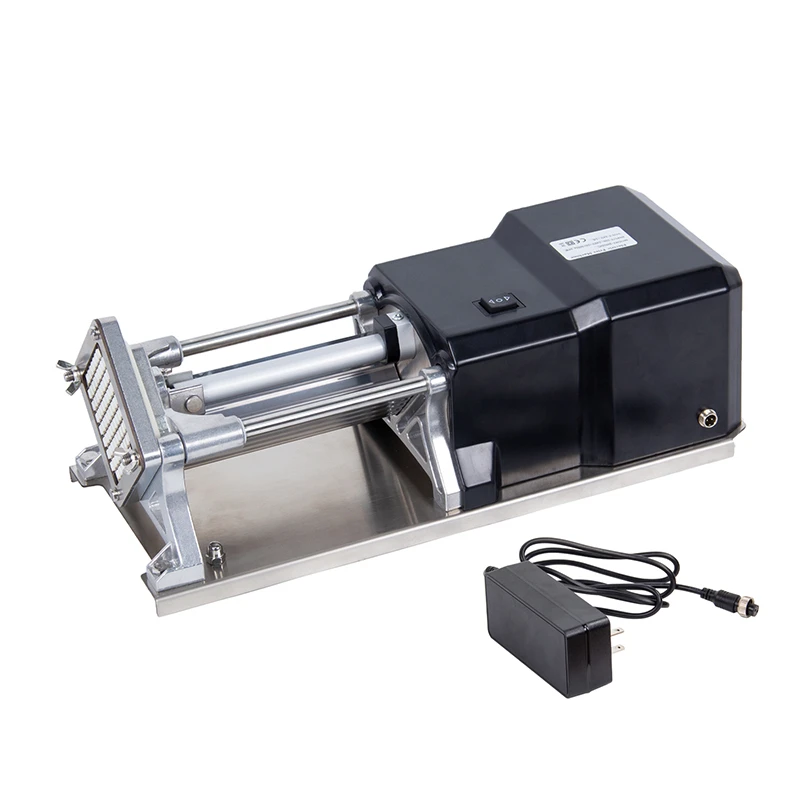
Our Electric Fry Slicer is perfect for making evenly sliced fries. And if you need a more heavy - duty option, our Electric Fry Cutter can handle large quantities of potatoes with ease.
Let's Talk Business
If you're in the market for a new kebab slicer or any of our other products, I'd love to have a chat with you. We can discuss your specific needs, the different models we have available, and find the perfect solution for your business. Whether you're a small kebab stand or a large restaurant chain, we've got the right slicer for you. Just reach out, and we can start the conversation about how we can help you take your food - slicing game to the next level.
References
- "Materials Science for Engineers" - A comprehensive textbook on different materials and their properties.
- Industry reports on food - processing equipment materials and trends.


